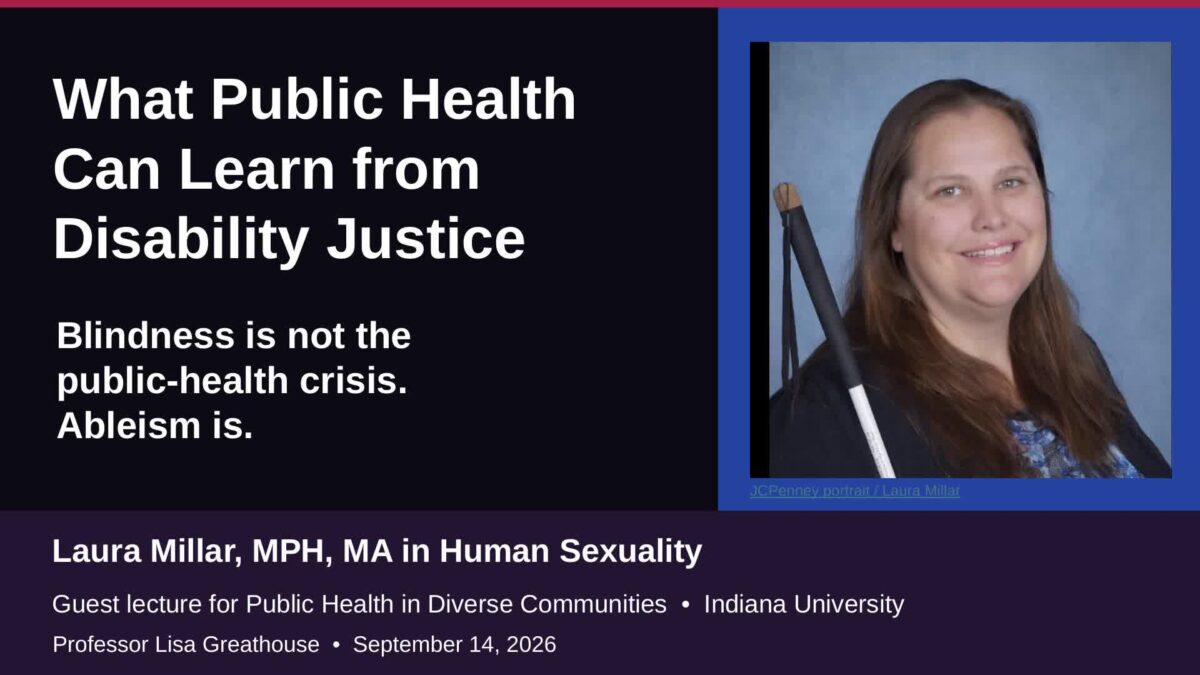
Blind community changed how I understood myself and my work in public health. In this lecture for Indiana University students, I explore ableism, access, autonomy, and what disability justice can teach our classrooms, clinics, and organizations.
 Laura Millar Consulting
Writing on public health, health equity, rehabilitation, policy, and systems change.
Blind community changed how I understood myself and my work in public health. In this lecture for Indiana University students, I explore ableism, access, autonomy, and what disability justice can teach our classrooms, clinics, and organizations.
California’s rehabilitation waitlist affects education, employment, health, and daily life. Watch our September 14 fireside conversation about Order of Selection, learn from blind advocates, and find ways to take action and support NFB of California.
Two DOR applications, no response, inaccessible government forms, and why disability service delays are a public health emergency. This post has three parts: the problem, my letter to Governor Newsom, and why I wrote it the way I did.
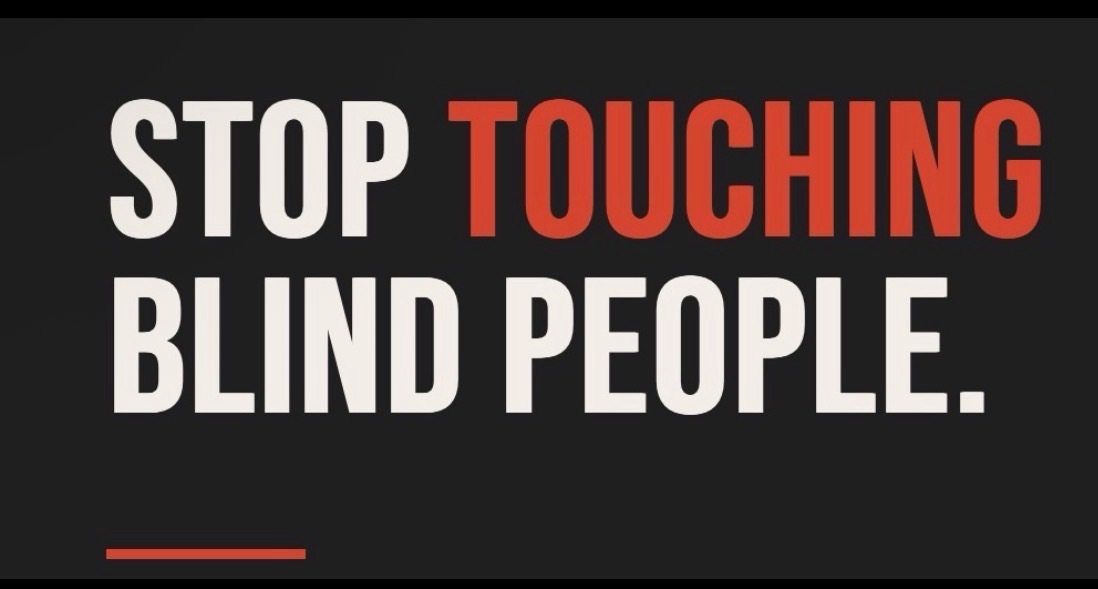
Blind people are grabbed, steered, and redirected by strangers every single day, without consent. A blind public health professional explains why uninvited touch is a consent violation, what it actually does to us, and the one simple thing that helps: ask before you act.
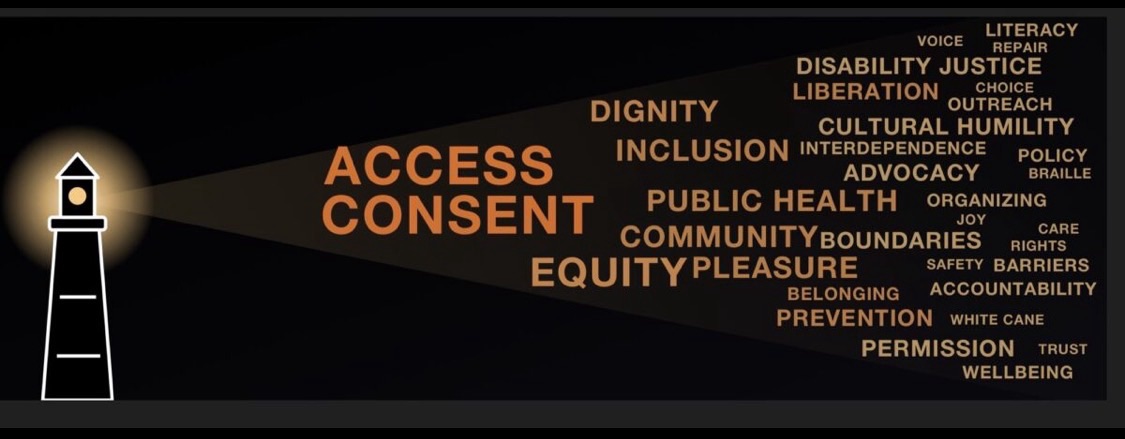
LightHouse is not only a provider of services to blind and low vision people, LightHouse is community health infrastructure. Its social model, blind-positive culture, community relationships, leadership pathways, and anti-ableism work are health promotion in action.
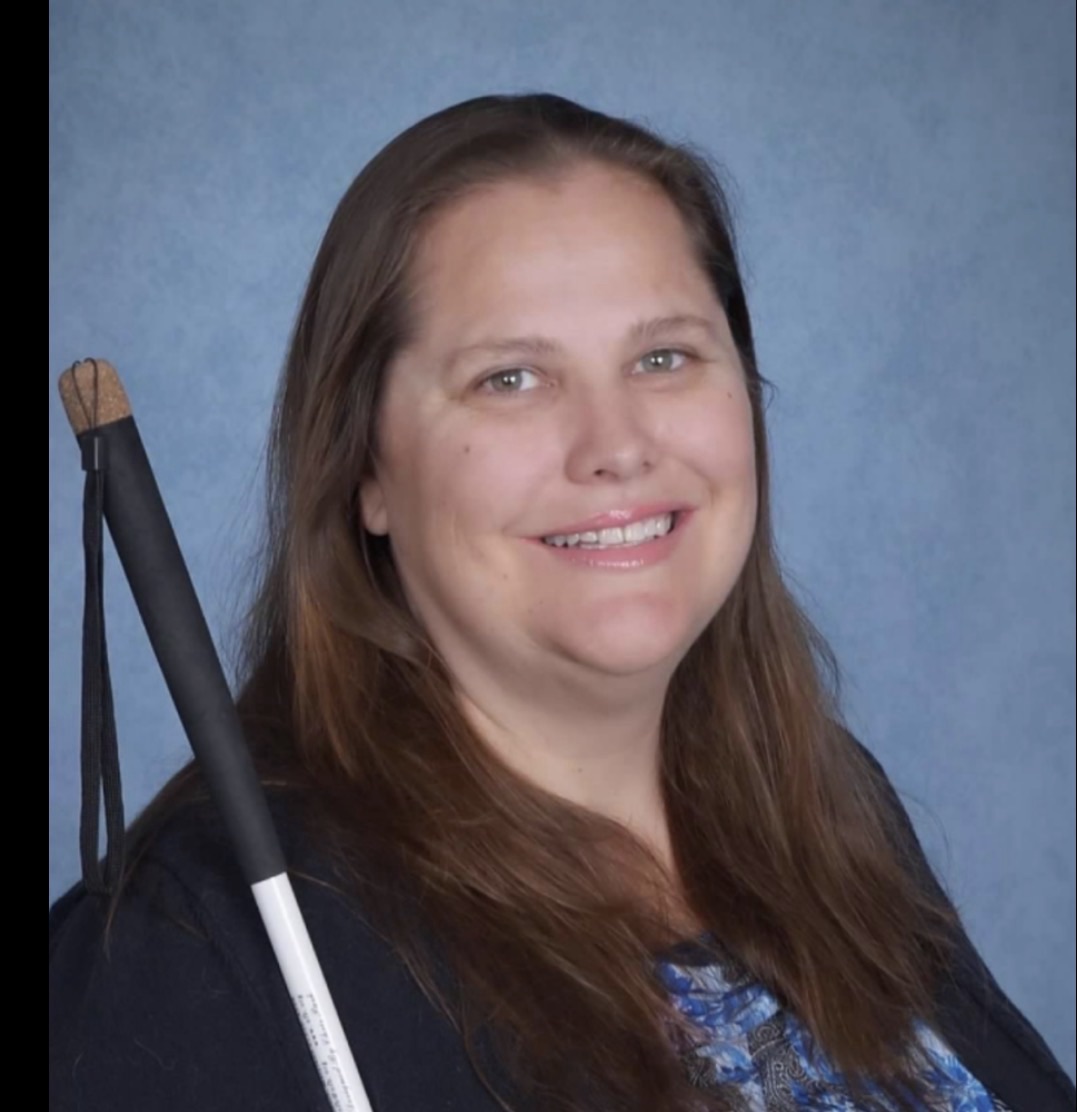
Why I Wrote to Secretary Robert F. Kennedy Jr. About Accessibility, Public Health, and Structural Inequity
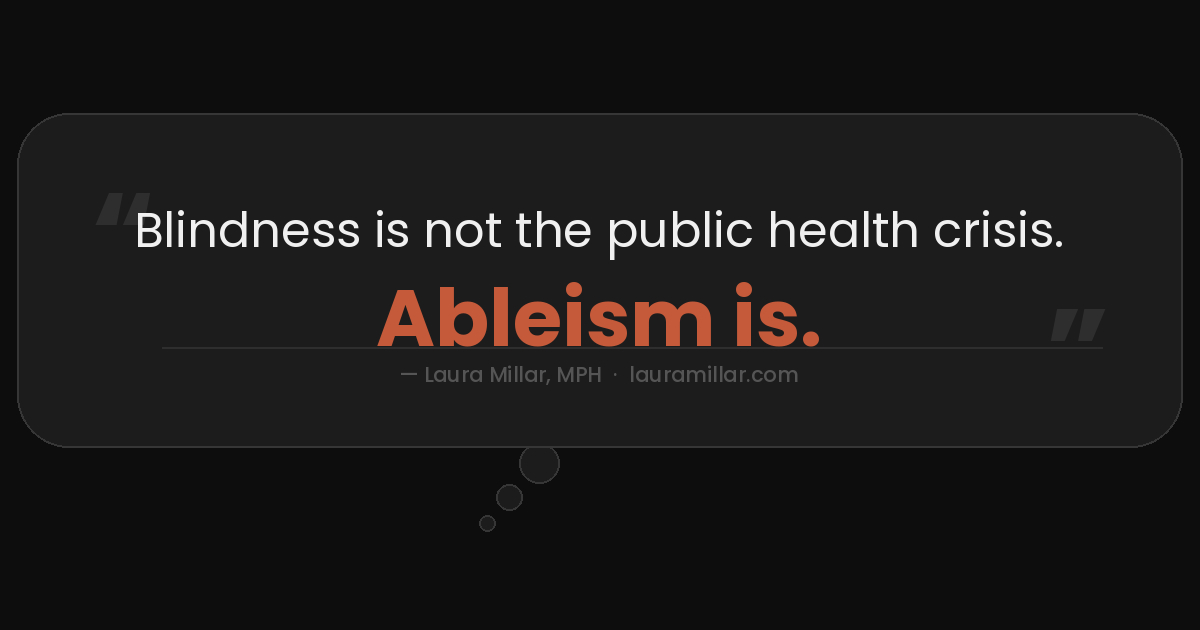
On May 21, 2026, I submitted a public comment to the Department of Health and Human Services asking them to reconsider the Section 504 accessibility delay. Blindness is not the public health crisis. Ableism is.
The harm does not end when the driver leaves. This three-part series names rideshare discrimination against blind service dog handlers as ableism, a pattern of consent violations, and a public health issue. It connects lived experience, survey data, and public health analysis to show how repeated service denials affect safety, autonomy, dignity, health, and full participation in everyday life.
Part 3 of a three-part series on rideshare discrimination, ableism, consent, and public health.
Part 2 of a three-part series on rideshare discrimination, ableism, consent, and public health.