Public health, sexual health & sexology
Community Engagement and Collaboration
Bring people together around shared concerns, collective knowledge, and practical action.
Sometimes the first step is getting people into the same conversation. The next is making sure they have a real say in what happens. I help groups turn shared concerns into work they can do together.
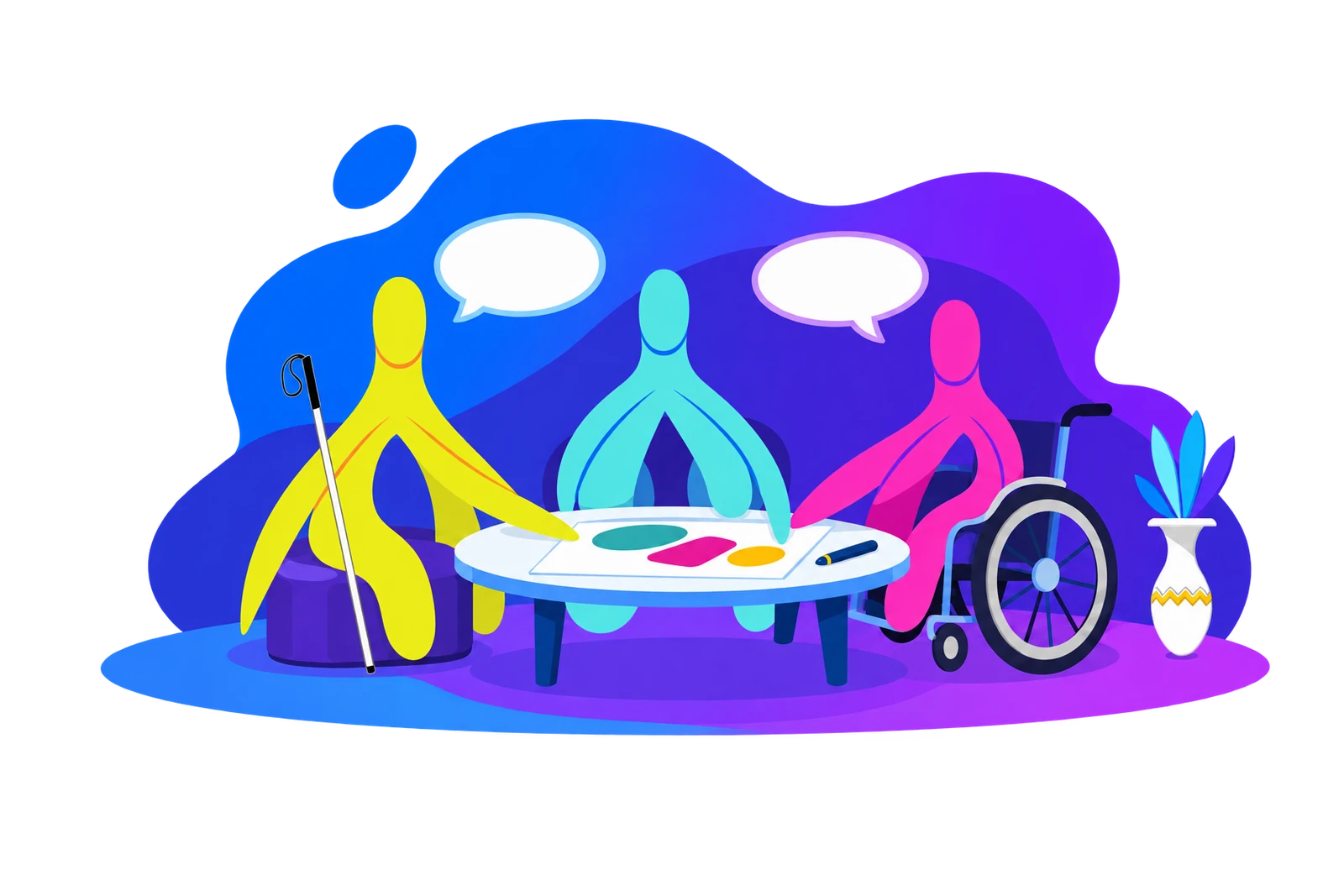
Hire me for: Facilitated conversations, partnership planning, community education, awareness campaigns, and advocacy support.
See my work in action
Sex, intimacy & disability
I moderated a LightHouse conversation bringing disabled sexual health advocates and researchers into dialogue with community members. Read the 2017 panel announcement.
Sexual health in community
Explore the archived World of Sex program and the Talking About Sex workshop with Planned Parenthood. These are historical program examples.
Belonging & public health
Read my LightHouse community health blueprint. Submitted to the board in June 2026, this proposal sets out recommendations for future work on belonging, blind culture, and community resilience.
Communities hold knowledge about what is working, what is causing harm, and what needs to change. Meaningful engagement gives people a role in shaping priorities, decisions, and the work that follows.
As a public health professional, sexual health professional, and sexologist, I support community groups and organizations working on health, disability, sexuality, access, and equity. Together, we can create opportunities for learning, connection, advocacy, and collaboration.
Community knowledge shapes sexual health
Sexual health promotion happens in community: in the questions people feel able to ask, the information they share, the relationships they build, and the decisions they can influence. I bring experience creating blind positive and sex positive spaces where people can learn and organize together.
At LightHouse, I coordinated sexual health programs and partnerships for blind youth and adults. Through Blind Positive Sex Ed, later named the Blind Sexuality Access Network, I co-founded and led community-based research on access to sexual health information and services. That work included focus groups on health literacy, accessible sexual information, and blind consumers’ experiences.
My community experience also includes LGBTQ+ and cross-disability organizing, Queer Crips United, and Bay Area Blind Community calls during the pandemic. Consent culture means participants have a say in the questions, how their experiences are represented, and what happens with the knowledge they share.
Who I work with
I work with community groups, disability organizations, nonprofits, public health teams, educators, and partners developing projects with the people they serve. Support can help when you are bringing people together, strengthening a partnership, or turning a shared concern into a plan.
Ways we can work together
Community conversations and facilitation: Plan discussions where people can share experiences, ask questions, explore differences, and identify next steps.
Partnership and network development: Clarify shared goals, responsibilities, communication, and how decisions will be made.
Community education and awareness campaigns: Develop accessible conversations, workshops, outreach language, and resources on public health, disability justice, sexual health, consent culture, and advocacy.
Organizing and advocacy support: Define an issue, communicate why it matters, identify opportunities for action, and prepare people to participate.
Collaborative program planning: Bring community knowledge into programs, events, educational projects, and plans for reviewing progress.
How we approach participation
Disability justice informs whose leadership is centered, how responsibilities are shared, and whether participation is sustainable. Collective access means we plan for different needs together. Interdependence makes room for people to contribute and receive support in different ways.
We can consider how ableism interacts with racism, gender, sexuality, poverty, and other sources of exclusion. Blind positivity and sex positivity can support belonging and challenge shame, including the internalized messages people carry about who deserves to participate.
Cultural humility means listening, asking what matters locally, and remaining open to correction. Consent culture means people have choices about participating, sharing personal stories, taking on responsibilities, and being represented in public communication.
Questions we can work through
- Who needs to shape this conversation and its decisions?
- What access barriers could prevent participation?
- What do people want shared, and what should remain private?
- Where do partners agree, and what still needs discussion?
- What can we accomplish with the time, energy, and resources available?
- How will we share responsibilities, respond to concerns, and follow through?
Depending on the project, you may receive facilitated conversations, a shared project plan, outreach language, educational resources, and clearly defined next steps.
This work connects to strengthening community action.
Pricing and next steps
Community projects are quoted according to scope, preparation, and ongoing support. We can discuss your budget, capacity, and priorities.